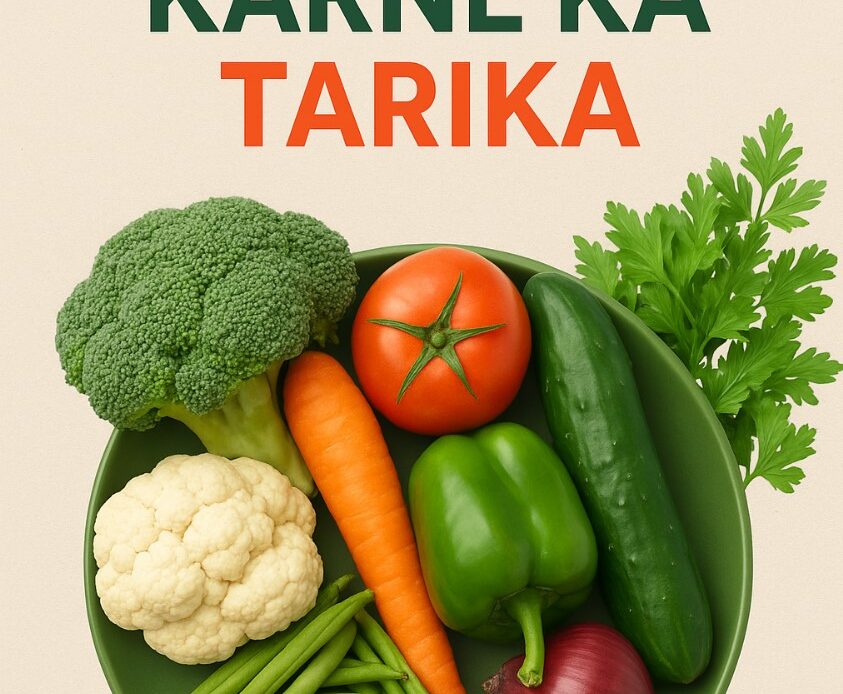
Keeping vegetables fresh is one of the biggest kitchen challenges, especially in warm climates. Most people buy sabzi for 3–5 days, but because of heat and moisture, vegetables often lose their freshness, color, and taste within a day or two.
The good news is that with a few simple habits, you can store your vegetables properly and keep them fresh for much longer.
In this guide, I’ll share the best, practical, and easy ways to store sabzi, based on real household experience—not just theory. If you want your vegetables to stay crisp, colorful, and flavorful, follow these tips.
1. Don’t Wash Vegetables Before Storing Them
Most people wash sabzi right after buying it, but this is a big mistake. Washing adds moisture, and moisture makes vegetables spoil faster.
Instead:
- Keep vegetables dry.
- Wash them only before cooking.
- If some vegetables look dirty, gently wipe them with a cloth.
This simple trick alone can double the freshness time of many vegetables.
2. Use a Newspaper or a Kitchen Towel for Moisture Control
Vegetables release natural moisture while sitting in the fridge. To prevent this moisture from causing rotting:
- Wrap leafy vegetables (palak, methi, dhania) in newspaper or a dry cotton cloth.
- Keep tomatoes, cucumbers, and capsicum in paper towels.
This absorbs excess moisture and keeps vegetables crisp.
3. Store Leafy Vegetables Properly
Leafy greens spoil the fastest. Here’s a foolproof method:
- Remove yellow or damaged leaves.
- Keep the leaves slightly dry—no extra water.
- Wrap them in newspaper or cloth.
- Put them inside an open plastic bag.
- Store in the vegetable drawer of your fridge.
This keeps dhania and palak fresh for 4–6 days easily.
4. Separate Ethylene-Producing Vegetables
Some vegetables release gas that speeds up ripening and spoilage. These include:
- Tomatoes
- Bananas
- Potatoes
- Onions
- Apples
Keep these separate from other vegetables, especially leafy greens and cucumbers.
Otherwise, your sabzi will turn soft too quickly.
5. Keep Potatoes and Onions Outside the Fridge
Many people store everything in the fridge, but potatoes and onions need airflow, not humidity.
- Store them in a basket.
- Keep them in a cool, dry place.
- Never store potatoes and onions together—both spoil faster when placed side by side.
6. Use Airtight Boxes for Cut Vegetables
If you’ve cut vegetables in advance:
- Store them in airtight containers.
- Place a dry tissue inside the box to absorb moisture.
- Use them within 24 hours for the best taste.
Cut sabzi spoils faster, so try to chop only when needed.
7. Don’t Overstuff the Fridge
Your vegetable drawer should have some space for air circulation. Overfilling reduces cooling and creates moisture, causing vegetables to spoil faster.
Keep the drawer only 70–80% full.
8. Store Herbs and Green Chilies the Smart Way
Green chilies, curry leaves, and fresh herbs can stay fresh longer if stored properly:
- Remove stems from chilies.
- Wrap them in a paper towel.
- Keep them in an airtight box or zip bag.
This method keeps chilies fresh and firm for up to 2 weeks.
9. Use Perforated Bags for Long-Lasting Freshness
Vegetables like:
- Cucumbers
- Capsicum
- Carrots
- Beans
Stay fresh longer when stored in perforated (hole) bags.
These bags allow air to circulate while maintaining moisture balance
10. Check Your Vegetables Every 2–3 Days
Bad vegetables spoil the good ones, too.
So, every couple of days:
- Remove any soft, mushy, or spoiled pieces.
- Keep the dry ones separate.
- Replace newspaper or tissues if they become damp.
This routine can extend your sabzi’s life by several days.
Conclusion
Storing vegetables properly is not difficult. With a few simple habits—keeping vegetables dry, using paper wrappers, storing in the right place, and managing moisture—you can keep your sabzi fresh, crisp, and healthy for a longer time.
If you follow these tips, you’ll notice a big difference in freshness and reduce your food waste too.